
Key Differences Between Off-the-Shelf Aerosols and Custom Spray Paints
What makes the choice between standard aerosols and customized spray paints so challenging for brands, distributors, and industrial end-users? Off-the-shelf products offer convenience and quick availability, but they may not meet specialized requirements for color accuracy, coating durability, packaging, or demanding application conditions. Customized solutions can help address these requirements when standard products are unsuitable.
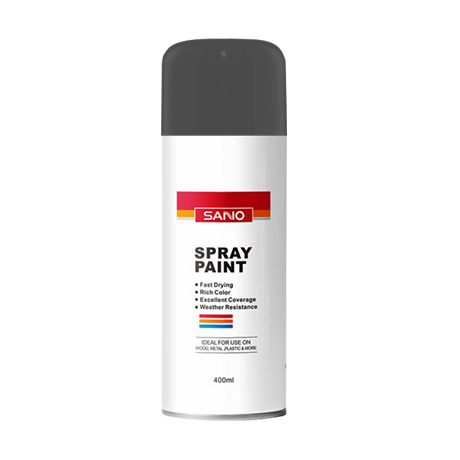
By opting for SANVO’s customized aerosol solutions, customers can develop products that align with their brand positioning, target markets, and performance requirements. Recognizing the practical distinctions between mass-produced aerosols and tailored spray systems helps businesses affect whether standard products or customized formulations are better suited to their application and commercial requirements.
Cost is only one variable in the purchasing equation; for discerning buyers, buyers may also consider application reliability, batch-to-batch consistency, and the ability to meet customer expectations over time.
When Standard Aerosols Are Suitable for General Applications
Off-the-shelf aerosols are designed for broad market usage. They are usually manufactured with established formulas, common colors, and standard packaging formats to meet general consumer needs.
These products are often suitable for:
DIY projects
Basic repairs
Decorative applications
General maintenance work
Their main advantage is availability. Customers can purchase ready-made products without waiting for development, testing, or production adjustments.
However, standard formulations are generally designed to meet common application requirements rather than highly specialized specifications. They may not provide the exact properties needed for specialized industries, unique brand requirements, or demanding environments.
For companies with specific application expectations, relying only on standard products may limit opportunities for differentiation.
How Custom Spray Paint Addresses Specific Product Requirements
Unlike standard aerosols, customized solutions are developed around the customer’s objectives. The formulation, color, packaging, and performance characteristics can be adjusted according to the intended application.
A custom spray paint project may involve modifications such as:
Special color matching
Different gloss levels
Improved adhesion
Enhanced durability
Specific drying characteristics
This flexibility is valuable for businesses that need products aligned with their own brand identity or technical requirements.
For example, an automotive supplier may require a specific finish appearance, while an industrial customer may prioritize resistance against environmental exposure. Custom development allows the product design to focus on the actual usage scenario.
Differences in Formula Development and Performance Control
One important technical difference between standard aerosols and customized products is the degree of formulation flexibility.
Off-the-shelf aerosols usually rely on fixed formulas that have already been optimized for general applications. This approach improves production efficiency but provides limited flexibility.
Customized products involve a deeper development process. Manufacturers evaluate factors such as:
Target surface materials
Required coating thickness
Application environment
Expected service performance
This process allows adjustments to resin systems, pigments, additives, and other components to achieve desired results.
For businesses selling professional products, this additional control can create a meaningful advantage because performance can be designed around customer expectations rather than market averages.
Color Accuracy and Brand Differentiation Considerations
Color is often one of the most visible differences between standard and customized spray paints.
Off-the-shelf products typically provide commonly used colors selected for mass-market demand. While these options work well for general users, they may not meet strict brand or industrial color requirements.
Customized solutions allow companies to develop colors that match:
Brand guidelines
Product design requirements
Industry color standards
Customer preferences
For companies building a product portfolio, consistent color performance can help maintain a recognizable brand appearance across products and production batches.
Packaging and Product Presentation Flexibility
The aerosol can itself plays an important role in product positioning. Standard aerosols usually follow existing packaging designs because they are produced for wide distribution.
Custom solutions provide more flexibility in areas such as:
Can appearance
Label design
Product information
Market-specific packaging
This is especially important for companies launching private-label products or expanding into competitive markets.
A customized appearance helps products stand out while allowing businesses to communicate specific application benefits more effectively.
Production Considerations When Choosing Customized Solutions
Although customized spray paint offers greater flexibility, it requires more planning than purchasing standard aerosols.
Businesses should consider:
Development time
Minimum order requirements
Testing procedures
Communication with manufacturers
Successful customization depends on cooperation between the customer and manufacturer. Clear information about application goals, market expectations, and performance requirements helps reduce unnecessary adjustments during development.
A professional manufacturer provides technical support throughout the process to ensure the final product meets practical requirements.
Cost Factors Beyond Initial Product Pricing
Price is often a major consideration when comparing standard and customized aerosols. Off-the-shelf products generally have lower upfront costs because they are produced in large volumes using established formulas.
However, customized products may provide better value when businesses consider long-term factors.
A product designed specifically for an application may reduce issues such as:
Poor coating performance
Customer complaints
Product replacement
Market positioning limitations
The right choice depends on whether the business needs a general-purpose product or a solution designed for specific commercial goals.
How to Decide Between Standard and Customized Spray Paint Solutions
The decision depends mainly on application requirements and business objectives.
Standard aerosols may be suitable when:
The application is simple
Common colors are acceptable
Fast availability is important
Customized solutions are more appropriate when:
Performance requirements are specific
Brand identity matters
Product differentiation is needed
The application environment is demanding
Working with an experienced manufacturer helps businesses evaluate whether customization provides meaningful benefits for their target market.
Conclusion
Off-the-shelf aerosols and customized spray paints serve different market needs. Standard products provide convenience and accessibility, while customized solutions offer greater control over performance, appearance, and product positioning.
With expertise in aerosol formulation and development, SANVO helps customers create customized spray paint products that match specific application and market requirements. Selecting the right custom spray paint approach enables businesses to improve product value, strengthen differentiation, and deliver solutions that better meet customer expectations.


